How a New AI Out-Predicts AlphaFold 3 on Protein Metal Ions
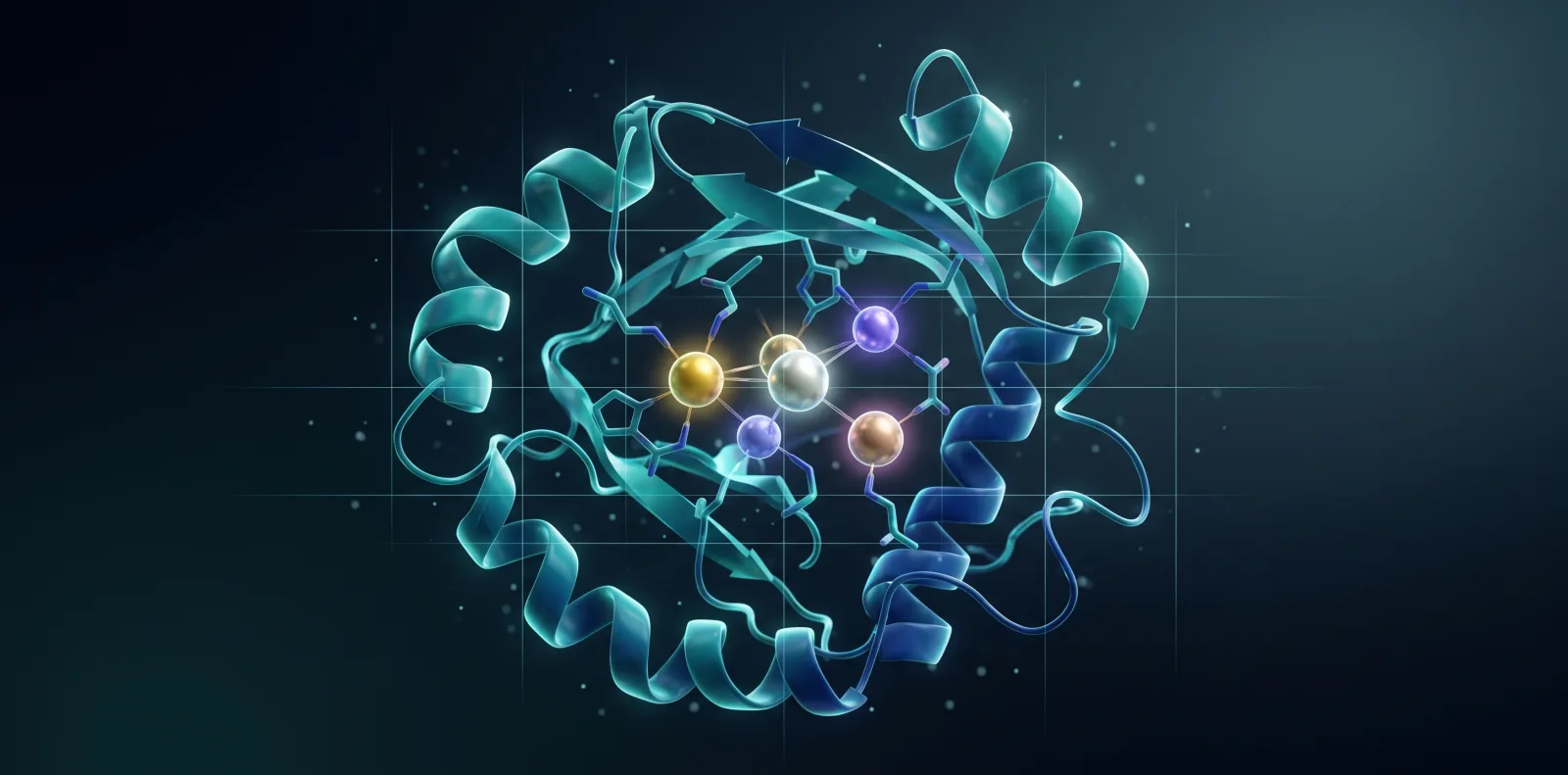
BiteNetI, a new deep-learning model, out-predicts AlphaFold 3 at finding protein metal-ion binding sites, a blind spot for today's protein language models.
BiteNetI, a new deep-learning model, out-predicts AlphaFold 3 at finding protein metal-ion binding sites, a blind spot for today's protein language models.
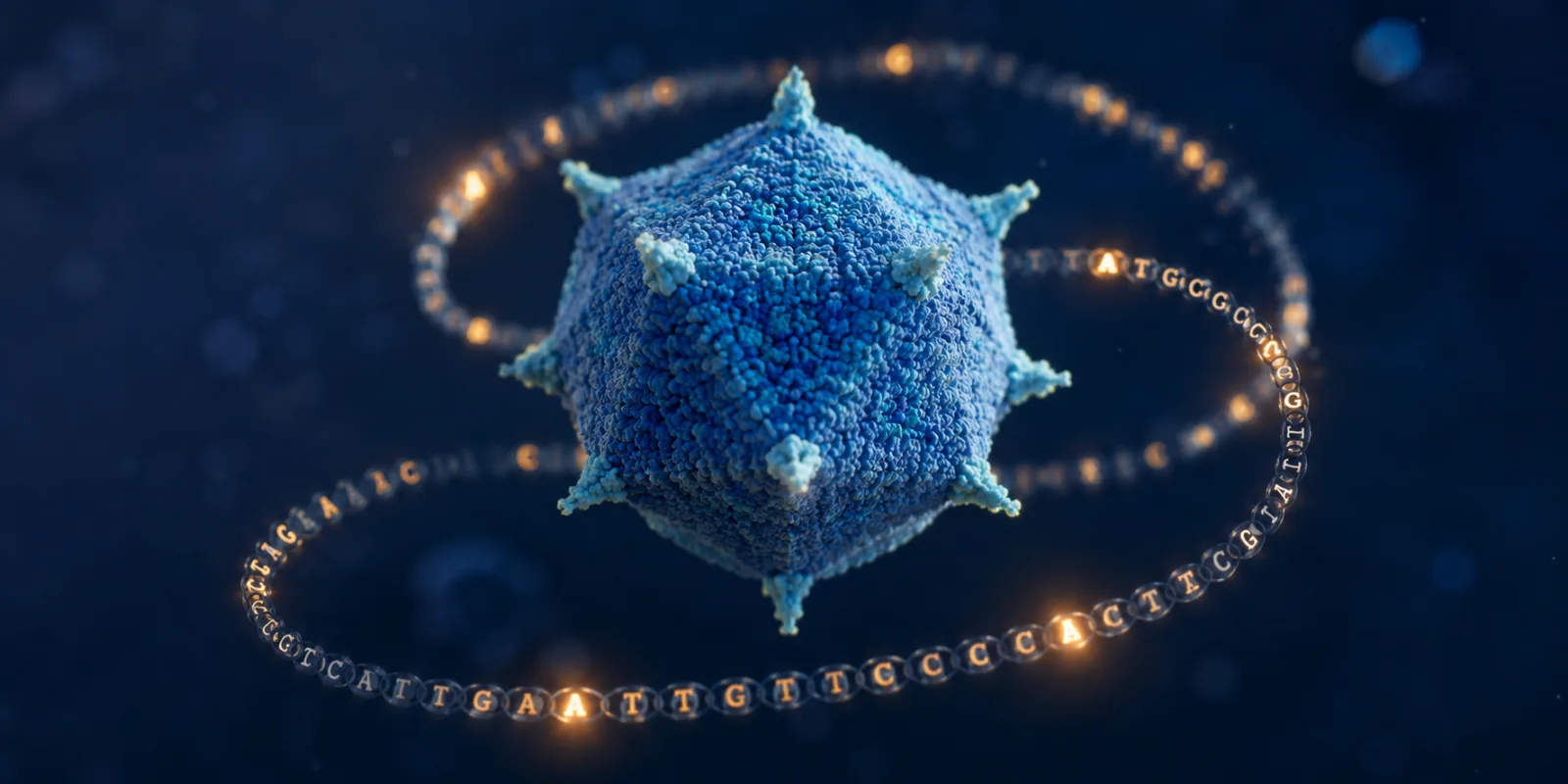
Scientists mutated every letter of the ΦX174 phage genome and measured the result. Top AI models predicted it only moderately well, a reality check for AI biology.
A new bioRxiv preprint, Prot-LAMBDA, teaches protein language models explicit 3D geometry and reportedly matches a model five times its size. Why efficiency, not scale, is the real story.
A Nature Methods paper borrows the alignment method used to tune chatbots and applies it to protein design, producing a heat-stable H5N1 hemagglutinin with only 45 tries.
Biohub's open-source ESM models learned the rules of protein biology from evolution alone — and designed working drug binders in days. Here's what the release means, and where it falls short.
VirTues, a new foundation model published in Nature, learns one shared representation of spatial proteomics data across marker panels and imaging platforms—and finds biomarkers that predict immunotherapy response.
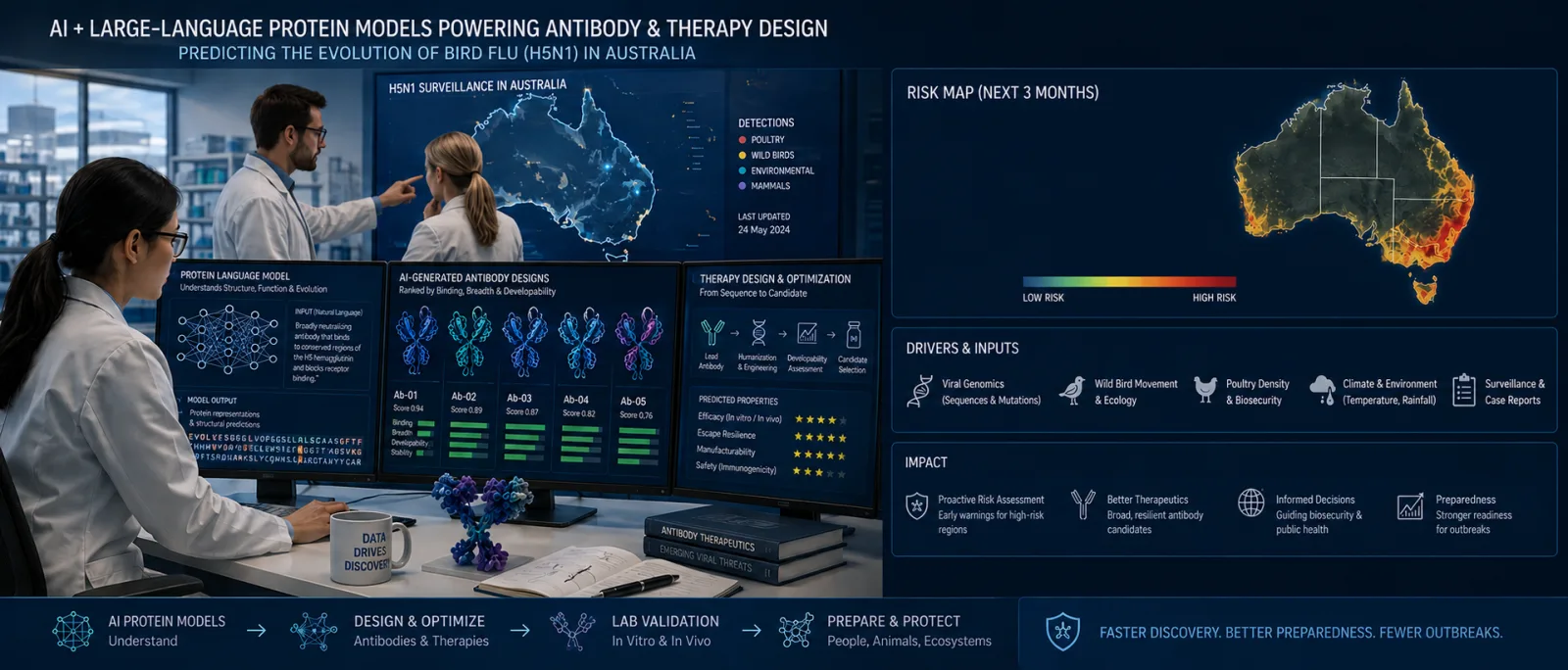
Australia just logged its first H5N1 mass-mortality event. Here's how a new wave of AI tools — protein language models, generative antibody pipelines, AI-designed antigens — is being mobilised against the virus, and where the science still falls short.