A small but real proof point for AI-led biology#
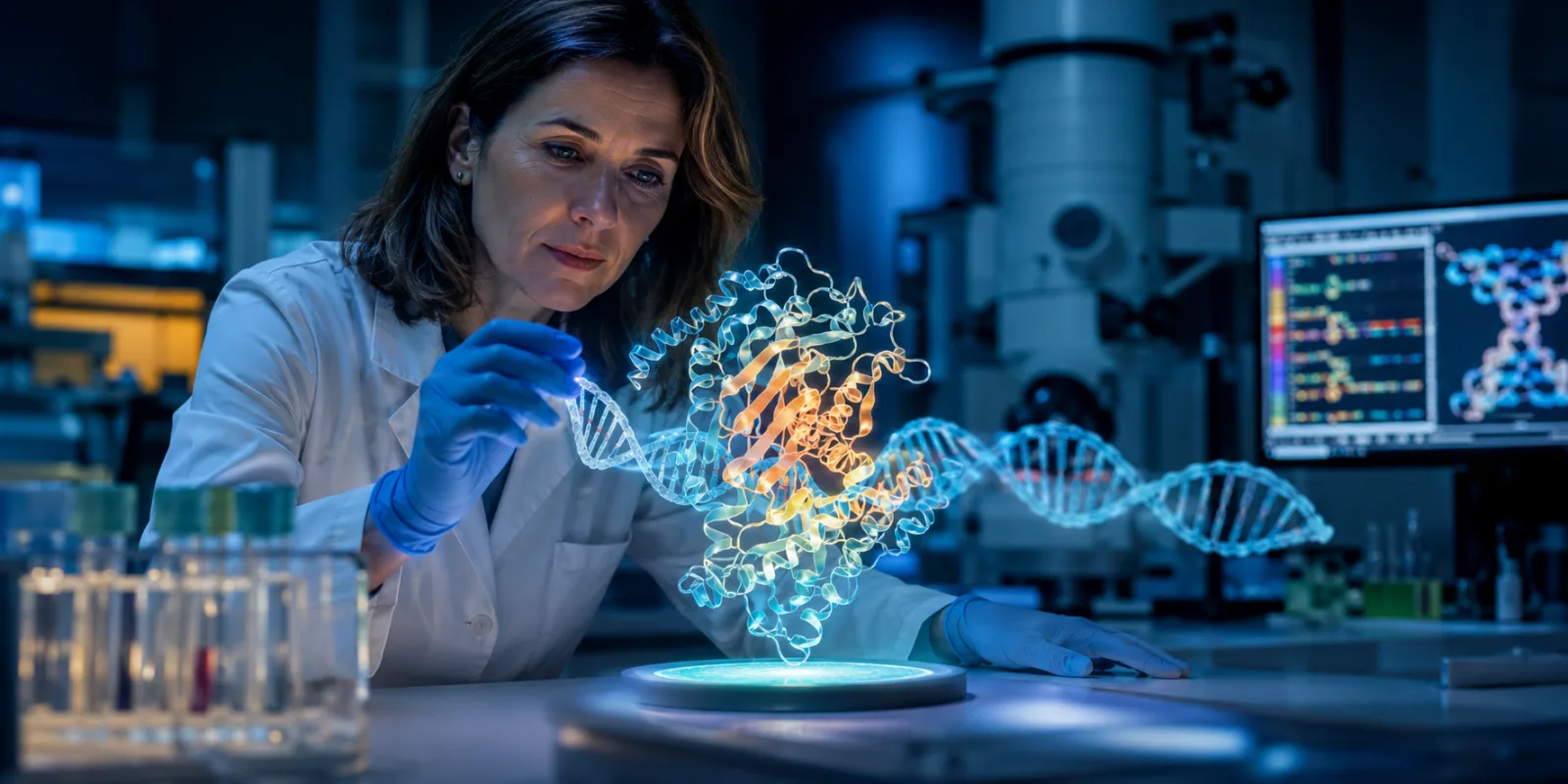
For more than a decade, artificial intelligence has promised to reinvent drug discovery: mine biological data, surface hidden patterns, and accelerate a process that often takes a decade and costs north of a billion dollars per approved medicine. So far, the AI revolution has been more talk than molecule. That changed on 5 August 2026, when Genentech announced it had validated the first AI-discovered neuroscience drug target from its long-running partnership with Recursion Pharmaceuticals.
The news answers a question the field has been dodging: can AI find genuinely new biology, or only optimise what humans already know?
What Happened#
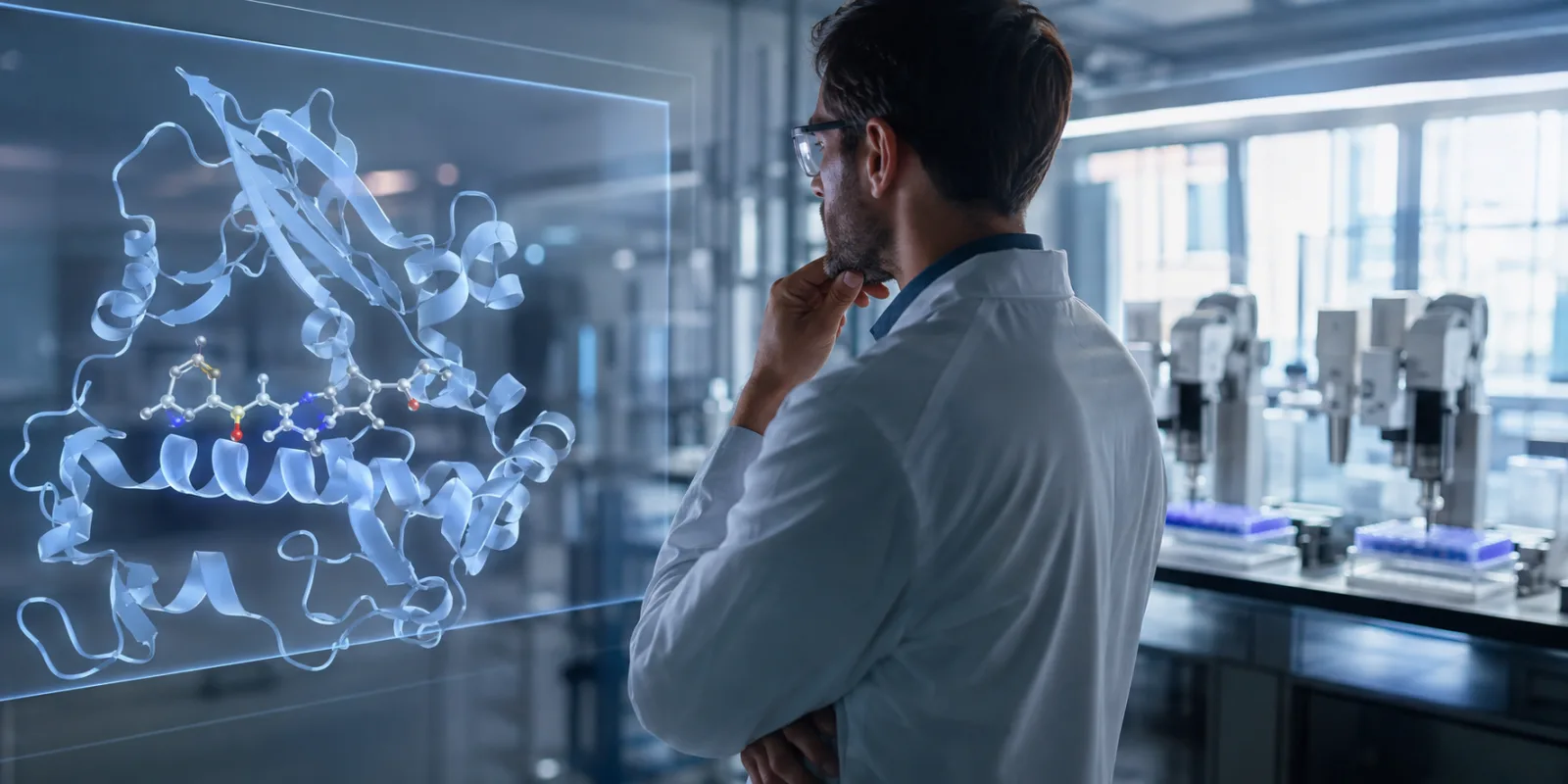
Genentech, a member of the Roche Group, has exercised the first "Validated Target Option" under its 2021 partnership with Salt Lake City-based Recursion, advancing a previously unexplored neuroscience target into a joint small-molecule early discovery programme. The decision triggered a $3 million milestone payment to Recursion, bringing total payments under the collaboration to $216 million since launch, according to Recursion's second-quarter results.
The target's identity, the disease, and the molecular mechanism remain undisclosed. What we know is the scale of the work.
Recursion and Genentech together built what they describe as the first whole-genome CRISPR knockout map generated from more than one trillion induced pluripotent stem cell (iPSC)-derived neurons. The teams knocked out each of the human genome's roughly 17,000 protein-coding genes one at a time, captured tens of millions of high-content cellular images, and trained bespoke foundation models on the data, using Recursion's in-house BioHive-2 supercomputer.
The output, a ranked list of potential drug targets, then cleared three validation gates: pathway, functional, and disease. Only one passed all three with enough evidence to enter drug discovery. The molecule-biology pair, rather than the AI alone, did the work.
A Crash Course in the Science#
Induced pluripotent stem cells (iPSCs) are adult cells, often skin or blood cells, that have been reprogrammed back into a stem-cell-like state. From there, they can be guided to become almost any cell type in the body, including neurons. iPSC-derived neurons let researchers study human brain biology in a dish, without the ethical complications or limited availability of post-mortem tissue. The challenge has always been scale: making a trillion of them required manufacturing innovations Recursion spent years building.
CRISPR knockout is a precise gene-editing technique. Using the CRISPR-Cas9 system, scientists can disable, or "knock out," individual genes one at a time. In a whole-genome knockout screen, every gene is removed in a separate cell population, and researchers watch what happens. If a neuron with gene X knocked out develops a Parkinson's-like feature, gene X becomes a candidate for further study. CRISPR has been used in cell lines for years, but running it across the entire genome in human neurons at industrial scale is a recent feat.
Foundation models for biology are large machine-learning systems, similar in spirit to large language models, trained on enormous biological datasets. They learn general patterns of how cells behave and can then be fine-tuned for specific questions, such as "which of these 17,000 knockouts most resembles the disease state?"
Why neuroscience is so hard. Drug development in the central nervous system has the worst approval rate of any major therapeutic area. Roughly only one in forty candidates that enter clinical testing for neurological diseases ever reaches patients. The brain is hard to access, hard to model, and the genetic drivers of most neurodegenerative diseases remain poorly understood. Decades of research have largely circled the same handful of well-known targets, which is one reason progress has been slow.
Why This Matters#
The Genentech option is the first time a major pharmaceutical partner has accepted a wholly novel neuroscience target surfaced by an AI platform and pushed it into a real drug-discovery pipeline. That is the proof point the up to $12 billion Recursion-Roche-Genentech collaboration has been chasing since 2021.
Three consequences follow.
First, it shifts the AI-in-drug-discovery conversation. Until now, much of the field has used AI to design or screen molecules against known targets. Insilico Medicine's rentosertib is a flagship example: AI picked the target (TNIK) and designed the molecule, but the work was tightly focused. Recursion's bet is bigger: that AI can find targets no human has nominated before, by mapping the consequences of disabling every gene in a relevant human cell type. A single validated target does not prove the bet, but it is the first empirical milestone.
Second, it makes the underlying maps a reusable asset. The same neuronal map that produced this target can be re-mined for new indications, and the same workflow is being applied to a sister map built from microglia, the brain's resident immune cells. If a second or third target emerges, the cost per insight falls sharply.
Third, it draws a clearer line between hype and delivery. Public companies and private AI-native biotechs have raised tens of billions of dollars on the promise of AI-discovered drugs, yet no AI-discovered drug has yet been approved by the FDA or any equivalent agency. Phase I success rates for AI-native programmes are striking (80–90%, per a 2024 peer-reviewed analysis), but Phase II rates are roughly 40%, similar to historical averages and suggesting the bottleneck is biology, not the algorithm. A validated, novel target in the hardest therapeutic area is a useful data point, not a finish line.
Critical Analysis#
Strengths. The scale is real: a trillion neurons, 17,000 genes, tens of millions of images, and a multi-stage experimental validation pipeline developed jointly with Genentech. The result is not a computational prediction a human will eventually test; it is a target that has cleared wet-lab validation in human neurons. The collaboration has a 15-month track record from target initiation to validated package, according to Recursion's investor materials. That is faster than many traditional discovery timelines.
Limitations. A single validated target is one data point. The collaboration covers up to 40 programmes, and we do not yet know the hit rate. The target itself, the disease, and the readout are not public, so independent groups cannot scrutinise the science. Industry watchers also note that the share of deal value Recursion has actually received is small: $216 million in upfront and milestone payments against a potential $12 billion ceiling. Most of the headline number depends on candidates reaching the market, which most will not.
Unresolved questions. Does the target translate from dish to whole-organism biology? Will the small molecule Recursion now designs against it clear safety and efficacy hurdles? And, more broadly, can a target surfaced by a cell-line screen replicate in the human brain, where cell types, circuits, and the blood-brain barrier are missing from the in vitro setup?
Competing viewpoints. Some neuroscientists argue that whole-genome knockout screens in iPSC-derived neurons are inherently noisy: iPSC neurons are immature, lack the supporting cell types found in a real brain, and may not faithfully model age-related neurodegeneration. Others caution that the field's 80–90% Phase I success rate is partly an artefact of small samples and cherry-picked programmes.
Timeline for real-world impact. If the molecule clears preclinical work, an investigational new drug filing is plausible within two to three years, with a first clinical readout a five- to seven-year horizon. The target's identity will likely remain undisclosed until a development candidate is nominated.
Expert Perspective#
The Recursion-Genentech result sits within a broader pattern of AI moving from molecule design to biology discovery. Insilico Medicine's rentosertib, a small molecule for idiopathic pulmonary fibrosis whose target and structure were both generated by AI, became the first fully AI-derived drug to enter a pivotal Phase III trial in July 2026. Generate Biomedicines' GB-0895, an AI-designed antibody for severe asthma, is also in Phase III.
What makes the Recursion milestone different is the type of novelty. Insilico's first AI-discovered target, TNIK, had been considered by human researchers before; AI prioritised it. Recursion claims its lead target has no prior literature in the indication. Whether that proves transformative or merely a clever new entry in an already crowded landscape will take years to know.
Key Takeaways#
- Genentech has validated the first AI-discovered, previously unexplored neuroscience drug target from its $12 billion collaboration with Recursion, triggering a $3 million milestone and pushing the asset into small-molecule discovery.
- The target emerged from a whole-genome CRISPR knockout screen run across more than one trillion human iPSC-derived neurons, the largest such map in neuroscience.
- The result shows that AI can, in at least one case, surface biology that decades of human-led research had not nominated in a therapeutic area with a roughly 2.5% clinical success rate.
- It does not yet answer whether AI-derived targets will translate to clinical success: no AI-discovered drug has been approved, and Phase II success rates remain in line with industry norms.
- The reusable maps and the multi-programme structure of the partnership mean the cost of finding the next target is much lower than finding the first.
Frequently Asked Questions#
What exactly did Genentech buy? Genentech exercised a contractual option on a previously unexplored neuroscience target that Recursion discovered and validated. The target is now the basis of a small-molecule early discovery programme. The disease and target identity are not public.
How is this different from Insilico's work? Insilico's AI selected a known target (TNIK) and designed a molecule against it. Recursion's claim is that its lead target has no prior association with the indication in the published literature, surfaced from unbiased, genome-wide data.
Why is neuroscience so hard for AI? The brain is poorly modelled in vitro, genetic drivers of most neurodegenerative diseases are unclear, and clinical candidates in neurology succeed only about 2.5% of the time, the worst of any major therapeutic area.
Will the target turn into an approved drug? Unknown. It is now an early discovery programme, typically five to ten years from any clinical readout, and the historical failure rate is high.
Could this approach replace traditional drug discovery? Not yet. The result is one validated target, not a factory. AI is best viewed as a tool that compresses parts of discovery, not a replacement for the whole pipeline.
Is the data public? The maps are proprietary. Recursion has published summaries and blog posts but has not released the underlying data, model weights, or target identity.
Does this change the cost of drug development? Potentially, but not yet. If multiple targets can be validated from the same map, the marginal cost of each one falls. Until that is shown, the upfront investment remains substantial.
What is BioHive-2? Recursion's in-house supercomputer, completed in 2024, used to train the foundation models and analyse the cellular images behind the screens.
References#
- Recursion Pharmaceuticals. (2026, August 5). Recursion Reports Second Quarter Financial Results; Genentech Options First Neuroscience Target into Early Discovery Program. Investor Relations
- Recursion. (2026). Unlocking the First Neuroscience Target for the Recursion and Genentech Collaboration. Recursion Blog
- Genetic Engineering & Biotechnology News. (2026, August 5). Recursion Partners with Genentech to Advance First Validated Neuro Target Discovered Through AI Map. GEN
- SynBioBeta. (2026, August). Recursion and Genentech Join Forces to Develop Neuroscience Targets Using AI. SynBioBeta
- The Agent Times. (2026, August 11). Recursion Delivers First AI-Discovered Neuroscience Target to Genentech. The Agent Times
- Recursion. (2026, August 5). Q2 2026 Investor Presentation. Recursion IR
- Bloomberg. (2026, August 5). Roche Advances AI-Derived Drug Target With Partner Recursion. Bloomberg
- Forbes (Marr). (2026, August 7). How Insilico Medicine Is Using AI To Reinvent Drug Discovery. Forbes
- Forbes (Schmelzer). (2026, August 5). Generative Biology Is Rewriting The Rules Of Drug Discovery. Forbes
- Pun, F. W., et al. (2024). How successful are AI-discovered drugs in clinical trials? A first analysis and coming lessons. Drug Discovery Today. PubMed
- MDPI Pharmaceuticals. (2026). AI in Drug Discovery: Clinical Failures, Regulatory Reality, and the Path Forward. MDPI
- BioSpace. (2026). Insilico's AI design engine bags deal with Korean biotech worth possible $2.5B+. BioSpace
- Fierce Biotech. (2026). Insilico lands heavily backloaded $2.5B AI drug discovery deal with SK Biopharm. Fierce Biotech