The AI Biotech With 37,000 Virtual Employees Just Published in Science
Stanford's 37,000-agent Virtual Biotech mined 55,984 clinical trials and independently designed a lung cancer drug strategy Merck was already pursuing.
Stanford's 37,000-agent Virtual Biotech mined 55,984 clinical trials and independently designed a lung cancer drug strategy Merck was already pursuing.
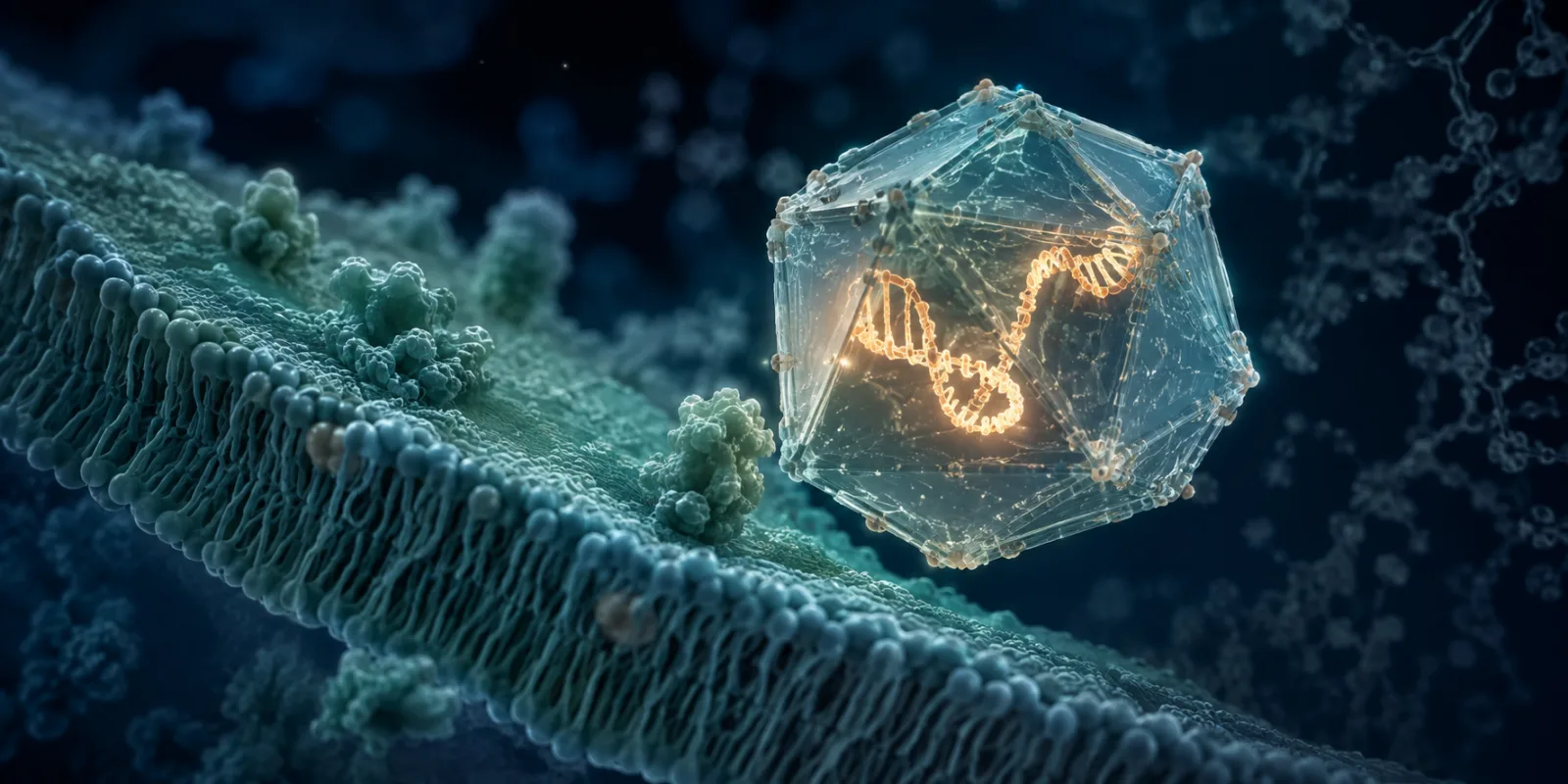
German scientists used generative AI to design Synthetic Transfer Vehicles, protein shells that carried RNA into cells more efficiently than the lipid nanoparticles they tested and delivered a CRISPR edit in a pig.
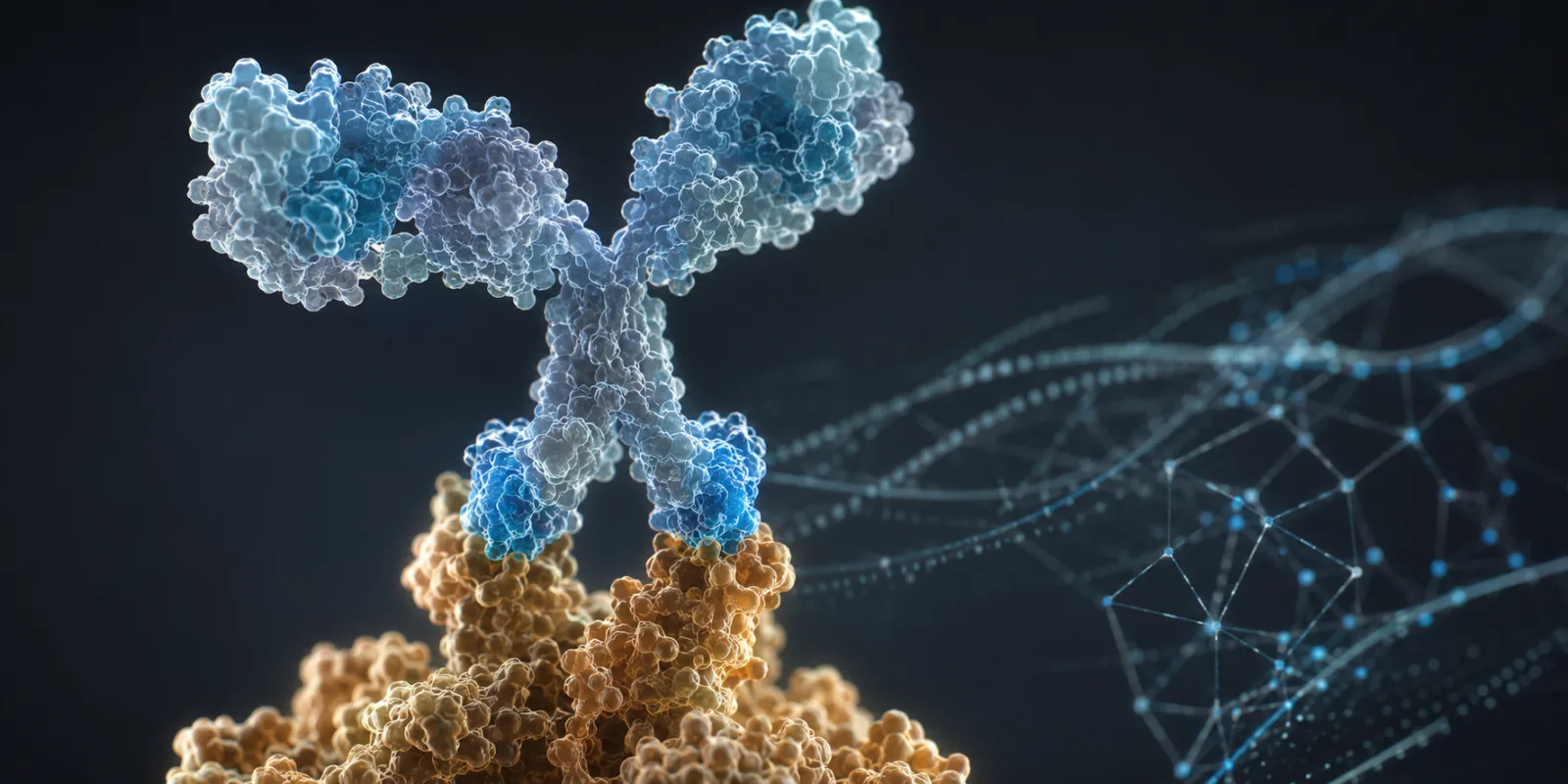
The first blinded, wet-lab-validated benchmark for AI antibody design just landed in Nature Biotechnology. Here is what the models got right, and wrong.
Genentech validated the first AI-discovered neuroscience drug target from its $12B Recursion partnership. A proof point the AI-drug discovery field needed.
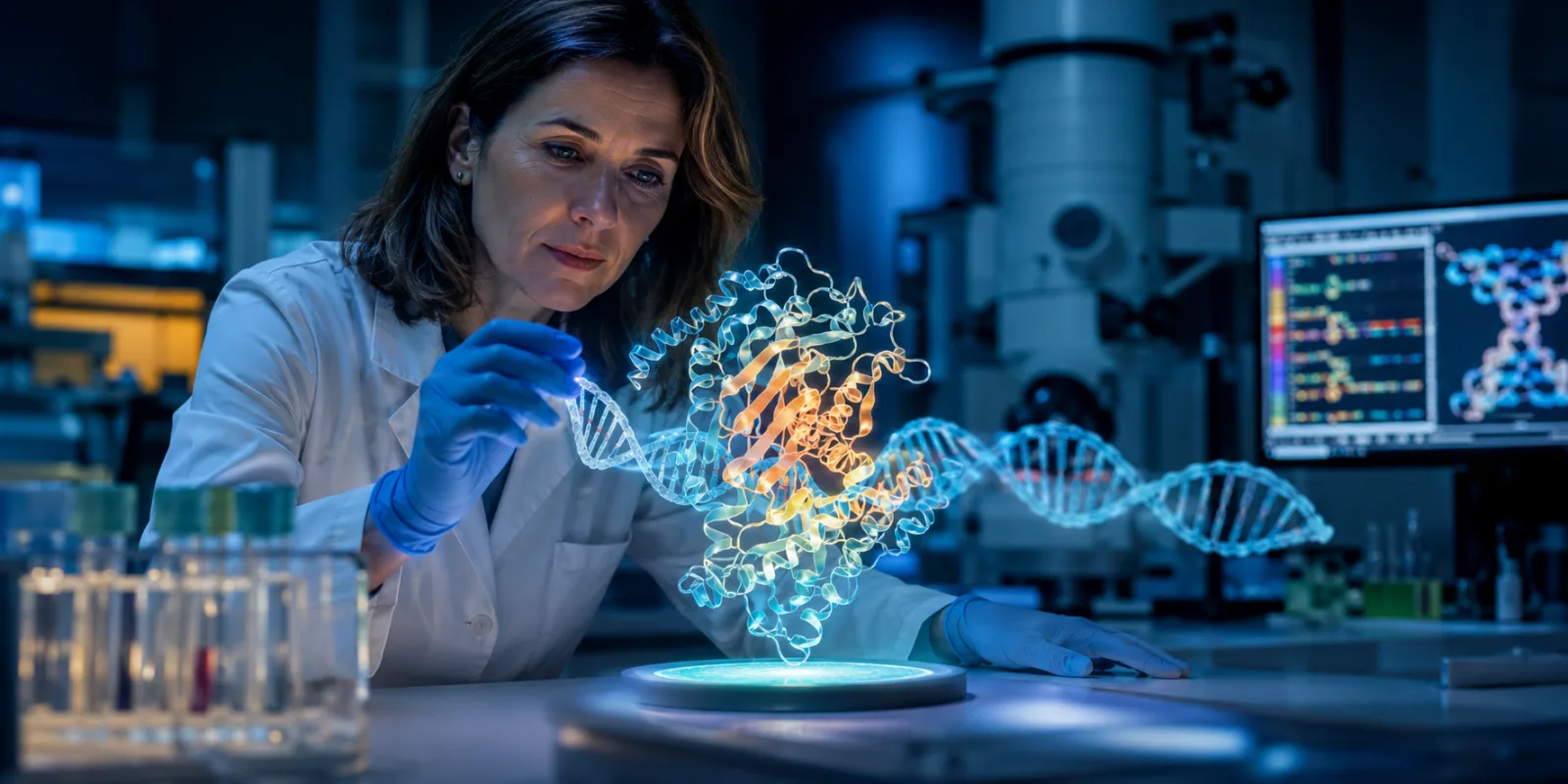
Jennifer Doudna's lab used an AI protein-design model to build a synthetic gene-editing enzyme, SynTnpB, that edits human cells nearly twice as efficiently as the natural version. Here is what the Science paper actually shows, and what it does not.