A yeast that made a malaria drug, and the lesson everyone forgot#
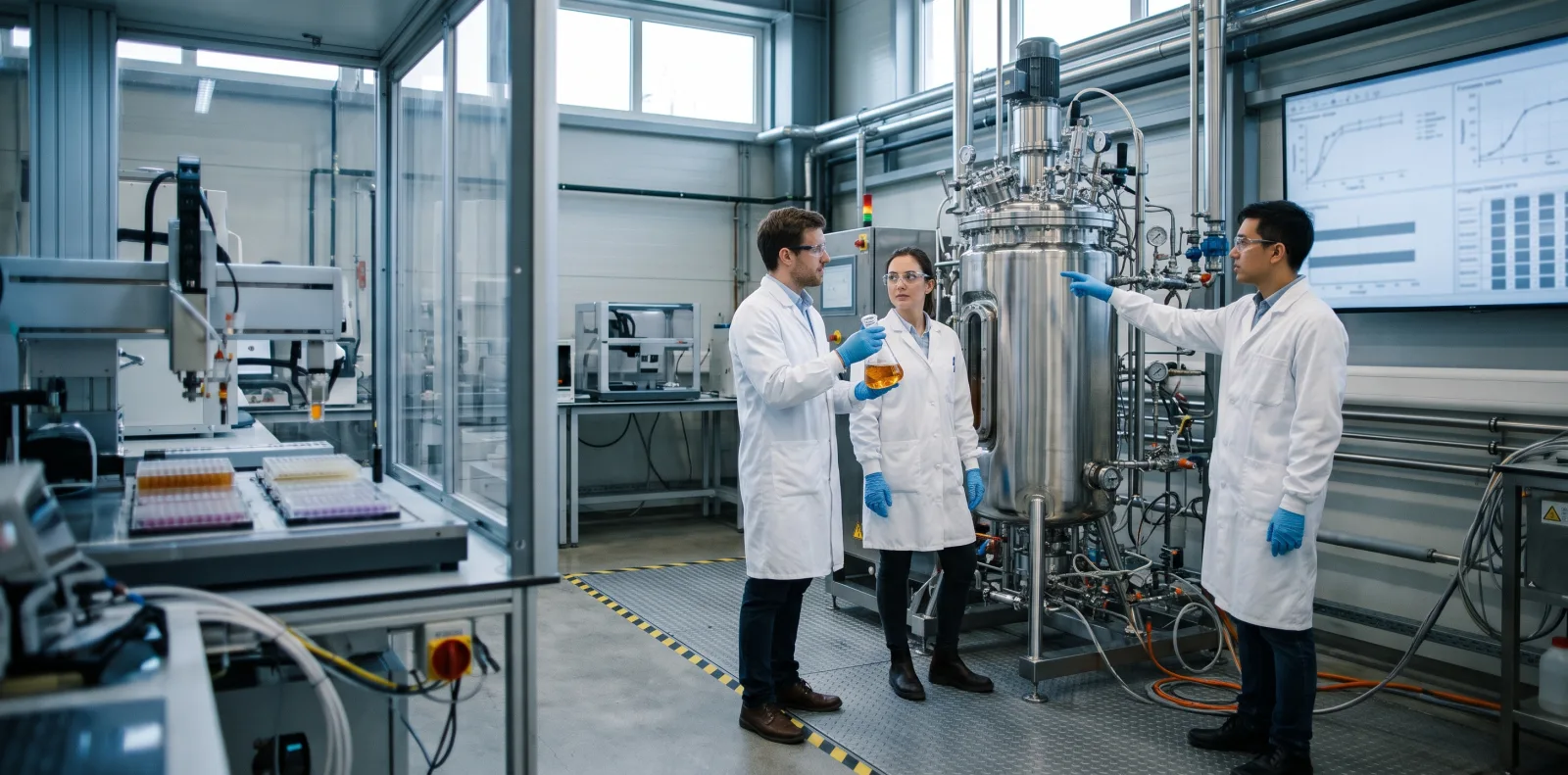
In 2013, a team at Amyris and the Keasling lab published something that looked like the future arriving early. They had rebuilt a plant biosynthetic pathway inside baker's yeast and coaxed it into producing 25 grams per litre of artemisinic acid, the chemical precursor to the frontline antimalarial artemisinin. Earlier attempts had managed 1.6 grams per litre, so this was not an incremental win. The group also worked out a practical chemical step to convert the precursor into the drug itself, and the intellectual property was released free of charge in the hope of stabilising supply for the countries that needed it most (Paddon et al., Nature, 2013).
It also took an enormous amount of labour. The paper lists fifty authors.
That is roughly the reason this article exists. The biology was eventually solved. What made it so expensive was the sheer quantity of trial and error required to solve it, and trial and error is exactly the sort of thing a well-aimed algorithm might reduce. A decade later, Amyris itself filed for Chapter 11 bankruptcy protection, a reminder that a brilliant strain and a viable business are different achievements (CosmeticsDesign-Europe, 2023). Now machine learning is being pointed directly at that trial-and-error problem, and robots are running the experiments. The question worth asking is not whether this is exciting. It is whether it works, and where it still does not.
Background: what it means to turn a microbe into a factory#
Start with the vocabulary, because the field is thick with it.
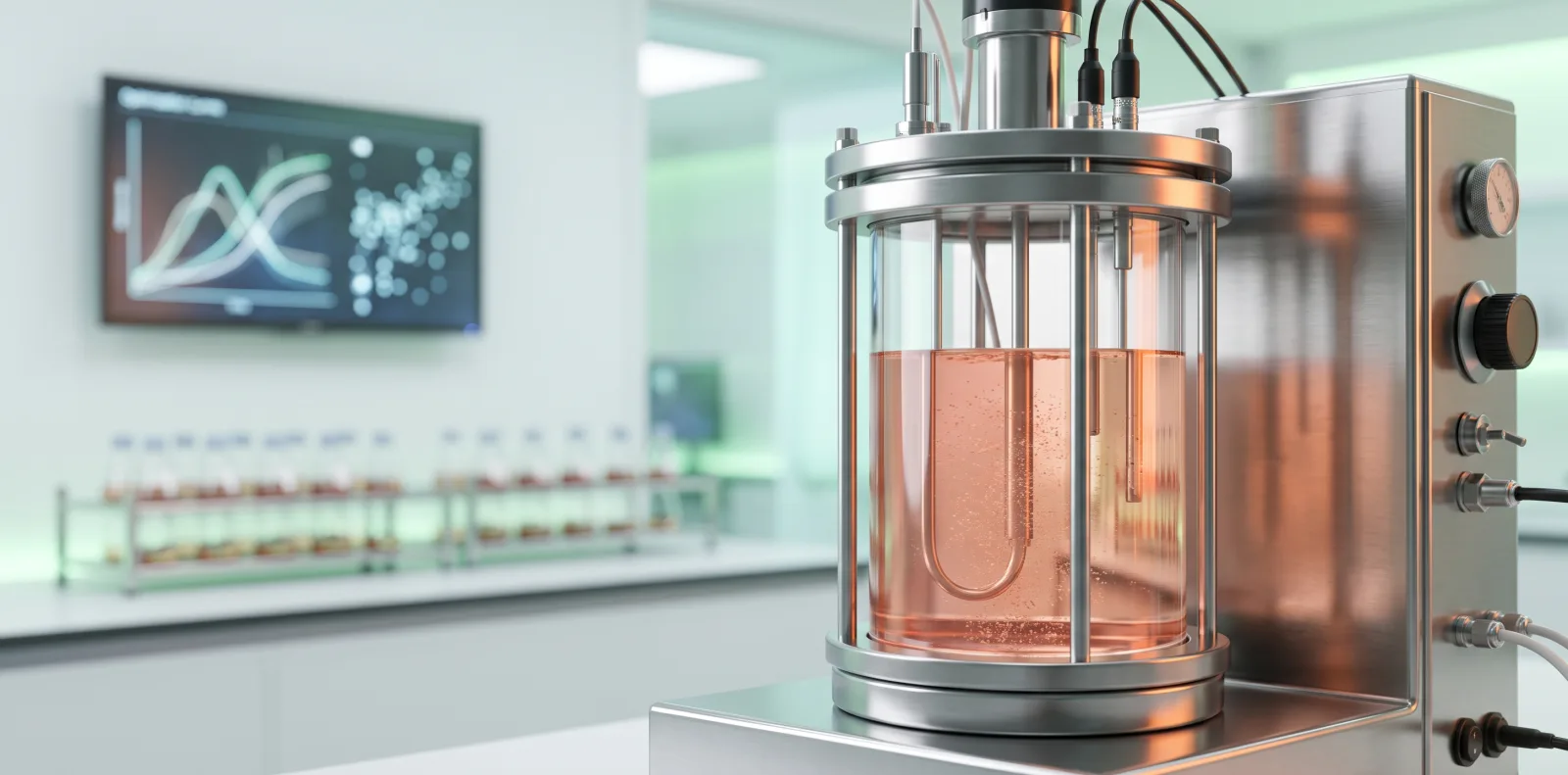
A microbial cell factory is a bacterium, yeast or fungus that has been genetically modified to manufacture a specific molecule. You take the chemical route a plant or soil organism uses to build a compound, insert the relevant genes into a microbe that grows fast in a tank, and harvest the product from the broth. Insulin has been made this way for decades. So have many antibiotics and vaccine components.
Metabolic engineering is the craft of rewiring the microbe's internal chemistry so that more carbon flows towards your product and less towards everything else the cell would rather be doing, such as growing. Cells are not cooperative. Push too hard on one pathway and you starve another, accumulate a toxic intermediate, or exhaust the supply of helper molecules the enzymes need.
Enzymes are the protein catalysts that perform each chemical step. A pathway is only as fast as its slowest enzyme, and enzymes borrowed from plants often behave badly inside a microbe. Cytochrome P450 enzymes, a family that performs many of the oxidation steps found in drug molecules, are notoriously feeble when expressed in a foreign host, and this remains one of the field's standing complaints (Fan et al., Biotechnology Advances, 2026).
Titre is how much product you get per litre of culture. It is the number everyone quotes, and on its own it tells you remarkably little, because a factory also cares about rate, yield per unit of sugar, and whether the strain stays stable over days in a 100,000-litre vessel.
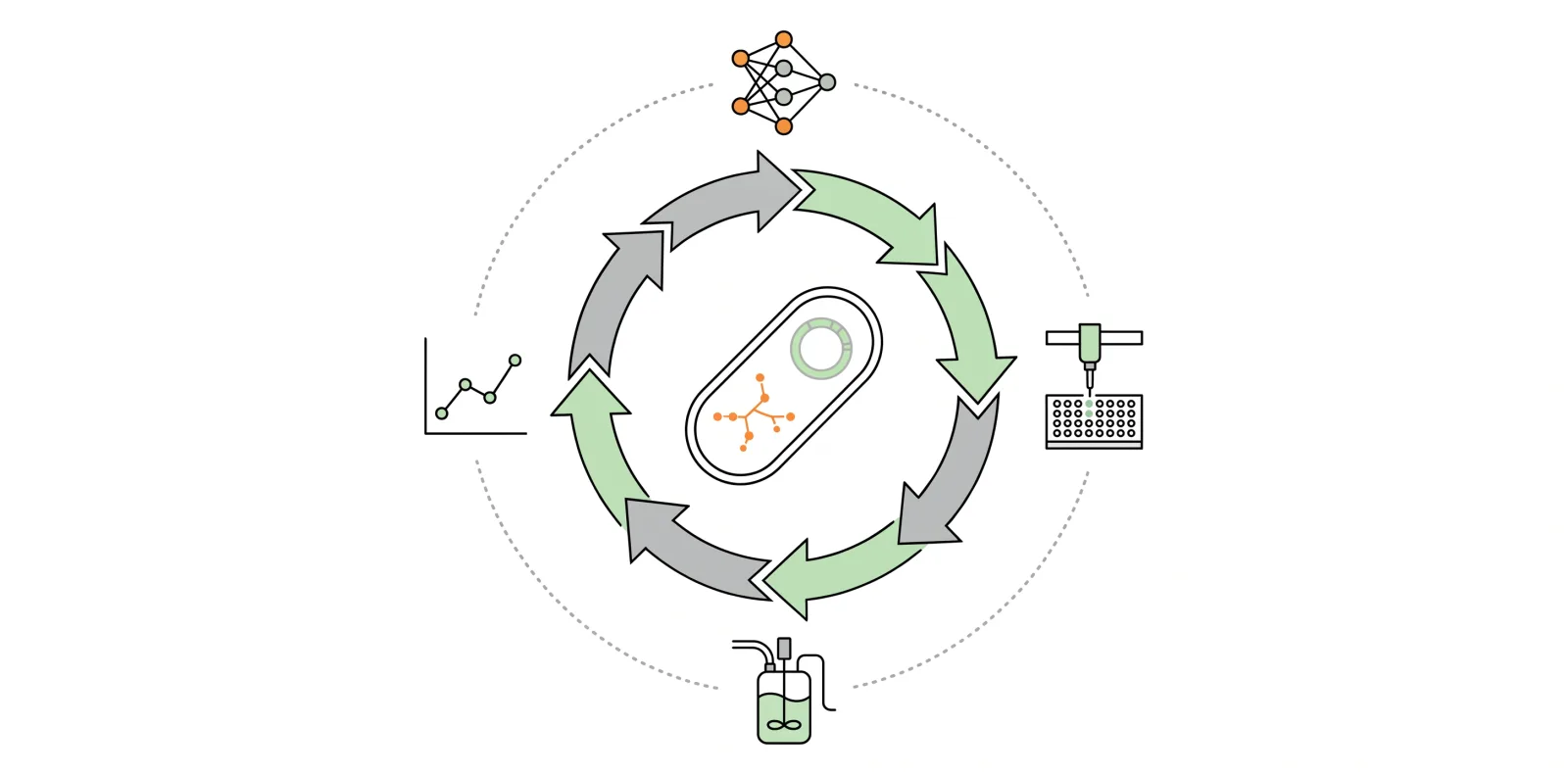
Finally, the design-build-test-learn cycle, or DBTL. You design a set of genetic changes, build the strains, test how much they produce, learn from the result, and design again. Each turn of that wheel used to take weeks. The entire modern field is an argument about how to turn it faster, and this is precisely where artificial intelligence enters.
Where the machine learning actually sits in the workflow#
A common misunderstanding is that AI is designing organisms from scratch. It is not, at least not yet. In practice, the algorithms occupy two specific slots in the cycle.
The learn slot is the natural home. Given results from a batch of strains, a model fits the relationship between genetic configuration and output, then nominates which configurations to try next. The influential early example is the Automated Recommendation Tool, built at the Joint BioEnergy Institute, which uses an ensemble of models to make those recommendations from the small, messy datasets that real biology produces (Radivojević et al., Nature Communications, 2020).
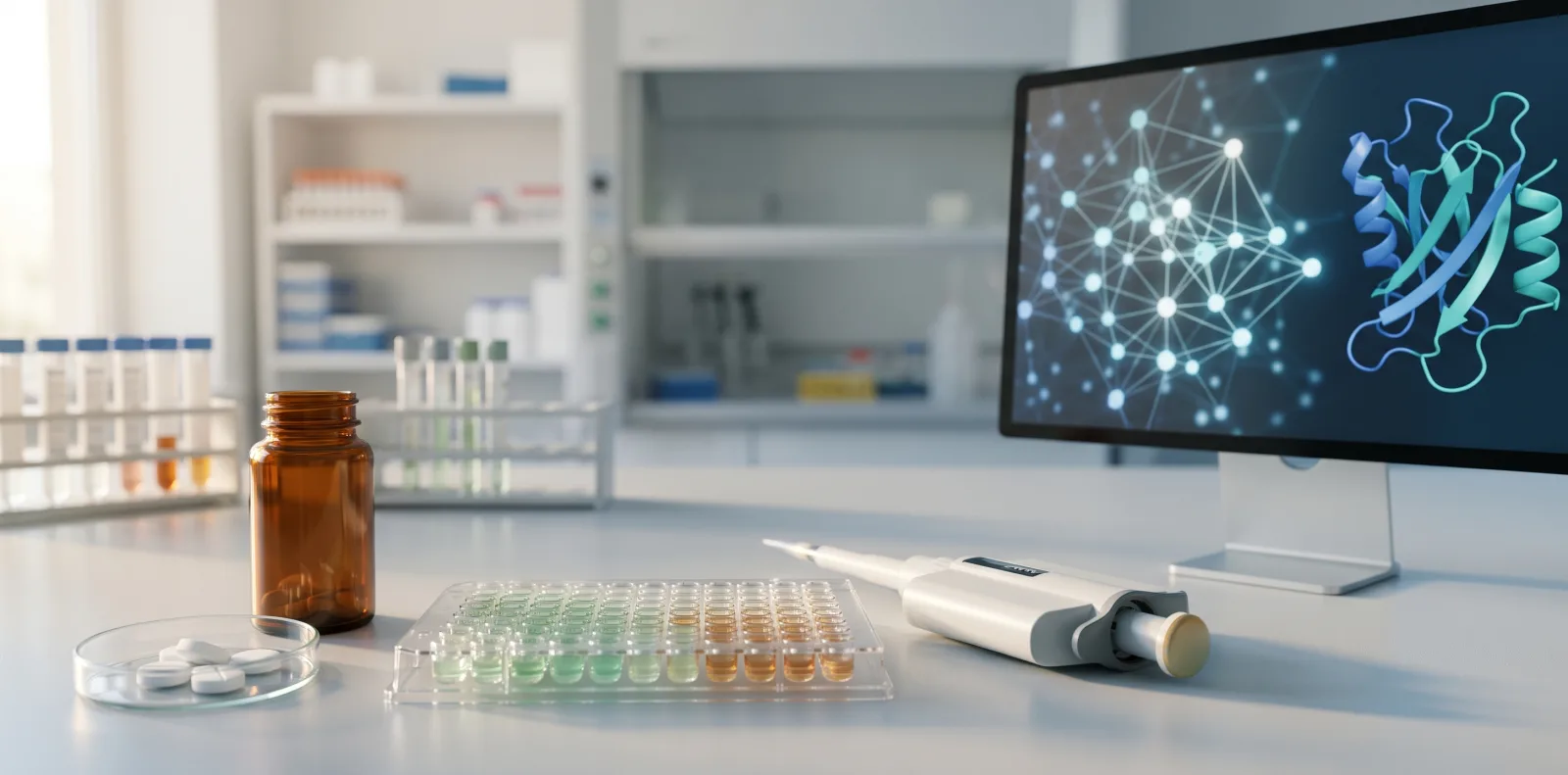
The design slot is newer and comes from protein modelling. Protein language models trained on hundreds of millions of natural sequences can score whether a proposed mutation is likely to be tolerated, which cuts an impossible search space down to something testable.
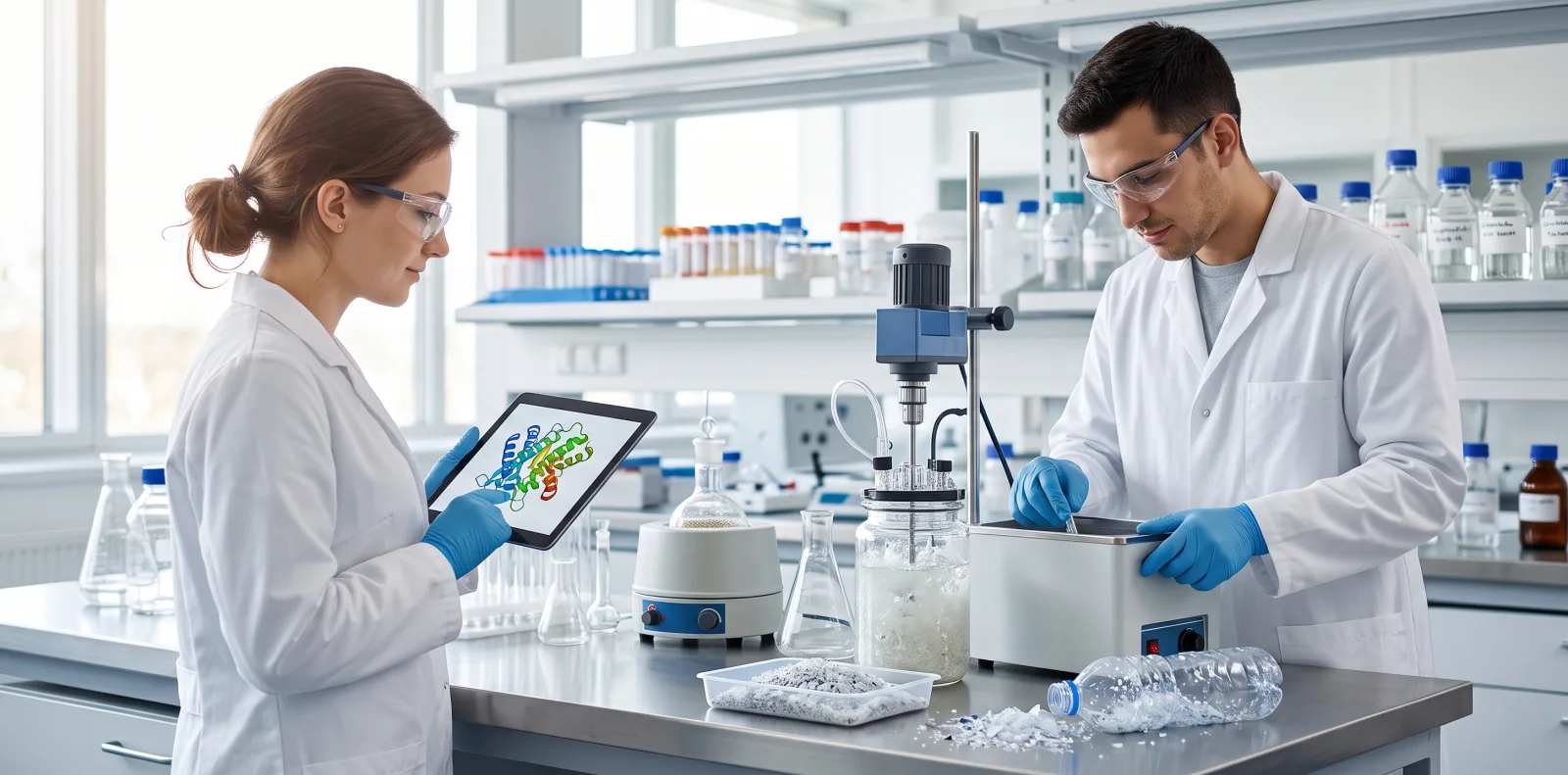
Robots handle build and test. That division of labour is the organising idea behind an automated biofoundry, and a 2025 review from Huimin Zhao's group at Illinois sets out how the two halves fit together, along with a candid assessment of why metabolic engineering lags behind protein engineering: multigene interactions, precursor and cofactor balancing, and datasets that are simply too sparse for data-hungry methods (Chen et al., Current Opinion in Biotechnology, 2025).
A broader 2026 review in ACS Synthetic Biology describes the same trajectory in terms of method: graph neural networks for pathway discovery, generative models for enzyme variants, and reinforcement learning for regulation, moving the field from rule-based engineering towards workflows that are increasingly autonomous (Huang et al., ACS Synthetic Biology, 2026).
What the published campaigns have delivered#
Every entry in the table below comes from a reported campaign rather than a projection.
| Target | What was engineered | Approach | Reported result |
|---|---|---|---|
| Phytase and halide methyltransferase | Enzyme activity | Protein language model plus supervised learning on an automated platform | About 26-fold and 16-fold activity gains in four iterations, fewer than 500 variants tested per enzyme, roughly one week per round |
| Glycoside hydrolase | Thermostability | Gaussian process agents (SAMPLE) | Improved over 20 iterations while exploring under 2% of the sequence space |
| RhlA enzyme | Substrate specificity | Bayesian optimisation (BO-EVO) | 4.8-fold improvement after examining about 1% of possible variants |
| Lycopene in E. coli | Pathway expression levels | Automated closed loop (BioAutomata) | 1.77-fold more product than the best strain from a random library, screening under 1% of combinations |
| CETCH carbon-fixation pathway | Multi-enzyme pathway | Active learning with gradient boosting (METIS) | Roughly 10-fold productivity gain from about 1,000 experiments |
| Naringenin in E. coli | Pathway and host | Automated DBTL | 3.65 g/L reached in approximately six weeks |
All six are collated in the Zhao group review cited above. Two patterns jump out.
First, the striking figure is usually not the fold-improvement. It is the fraction of the design space searched. Sampling under one per cent of the possible combinations and still landing on a better strain than brute-force screening is the actual product being sold here. Second, the timescales have genuinely compressed. One group estimated that 20 automated DBTL rounds now fit inside two months, against close to a year of manual work, and another reported an eighty-four per cent cut in the time taken by the build step alone.
The hardware deserves some credit that the algorithms usually take. Acoustic liquid handlers dispense volumes as small as 2.5 nanolitres, and coupled mass spectrometry can read a 384-well plate in about eight minutes. Without that, a model's suggestions queue up behind a human with a pipette.
Designing enzymes that nature never built#
Running alongside the strain engineering is a more radical capability. Rather than improving an enzyme that exists, generative models can propose protein structures from first principles.
In early 2025, David Baker's laboratory reported computationally designed serine hydrolases, a class of catalyst with a genuinely intricate active site. More than 300 designs were made, and the best candidates, refined through further rounds of design and screening, far exceeded earlier computationally designed esterases. Crystal structures of the successful designs matched the computational models to within one ångström (Lauko, Pellock, Sumida et al., Science, 2025).
For medicine manufacturing, the significance is indirect but large. Many drug molecules require chemical steps that no convenient natural enzyme performs well. If those catalysts can be designed rather than hunted for in soil samples, the set of medicines that can plausibly be brewed rather than synthesised expands. Related reviews on terpenoids, the structural family that includes artemisinin and the cancer drug paclitaxel, point to exactly this combination of pathway prediction, flux optimisation and designed enzymes as the route to commercially sensible titres (Kamalesan et al., Antonie van Leeuwenhoek, 2026).
The gap between a good titre and a real medicine#
The field's own reviewers are the ones applying the brakes here, which is worth noticing.
Scale is the first problem. A strain that performs beautifully in a 96-well plate encounters a different world in a production vessel, where oxygen transfer is uneven, nutrient gradients form, and shear forces are real. Models trained on microplate data do not automatically know any of this.
Data scarcity is the second. Protein engineering benefits from vast public sequence databases. Metabolic engineering has no comparable resource, because companies rarely publish failed strains and almost never publish process economics. The Zhao group review notes that quantifying automation's benefit is itself difficult, since campaigns seldom report time and cost. That is a field review, and it should make readers sceptical of any blanket claim that AI has made biomanufacturing cheap.
Third, economics. Amyris delivered the artemisinin strain and still went through Chapter 11. A molecule needs to be valuable enough, and the fermentation route cheap enough, to beat chemical synthesis or extraction. High-value pharmaceuticals and peptides are the obvious sweet spot. Commodity chemicals are where companies have historically been bankrupted.
Fourth, and most recently, biosecurity. In October 2025, a study published in Science showed that generative protein design tools could produce sequence variants that slipped past the screening software used by DNA synthesis providers to flag dangerous orders. The work was done as a coordinated disclosure exercise, with patches distributed to screening providers before publication (Microsoft Research, 2025). Nobody built anything hazardous, and the responsible reading is not that the technology is reckless. It is that screening systems built for natural sequences need continual updating now that design tools can generate unnatural ones, and that the patch-and-disclose cycle familiar from software security has arrived in biology.
What to watch over the next two years#
Three signals would indicate that this has moved from promising to routine.
Autonomous closed loops are the first. Preprints are now describing biofoundries in which active learning drives the robots directly, with humans supervising rather than deciding, including one recent description of an AI-native platform for enzyme engineering (not peer reviewed) (bioRxiv, 2026).
Shared data is the second. Platform companies have begun pairing their experimental throughput with external computing partners, with Ginkgo Bioworks and Google Cloud announcing a joint AI platform for biological engineering (Ginkgo Bioworks, company announcement). Whether any of that data becomes publicly usable is a different question.
Regulatory precedent is the third. A biologically produced active pharmaceutical ingredient whose strain was designed largely by a model will eventually reach a regulator's desk, and how that dossier is assessed will shape the field more than any titre record.
For now the fair summary is this. Machine learning has demonstrably compressed the enzyme optimisation problem, has made a real but smaller dent in whole-pathway engineering, and has not yet touched the parts of medicine manufacturing that involve steel tanks, purification and cost accounting. That is still a substantial achievement. It is simply a narrower one than the press releases suggest.
Frequently asked questions#
Are any medicines on the market today made by an AI-designed microbe? No medicine currently on the market was produced by a strain designed end to end by AI. Machine learning is being used to optimise strains and enzymes within existing development pipelines, and many approved biologics and small molecules are made by engineered microbes, but the design work for those was done by humans using conventional methods.
How is this different from the genetic engineering that gave us recombinant insulin? The underlying biology is the same: insert genes into a microbe and ferment. What has changed is how the genetic configuration is chosen. Recombinant insulin was the result of a relatively small number of deliberate changes. Modern campaigns involve thousands of possible combinations of genes, promoters and enzyme variants, which is the kind of combinatorial search where statistical models help.
Does AI replace laboratory experiments? No, and the published work makes this clear. Every campaign described above still involved building and measuring hundreds of real strains or variants. The models decide which experiments are worth doing, which is a different claim from predicting results without doing any.
Why is enzyme engineering easier for AI than pathway engineering? Enzymes have enormous public sequence datasets to learn from, and the output is a single measurable activity. A metabolic pathway involves several enzymes competing for shared resources inside a living cell that is also trying to grow, with far less published data and much noisier measurements (Chen et al., 2025).
Is this safe? Could the same tools be misused? The dual-use concern is real and has been documented rather than merely speculated about. The 2025 Science study found that generative design tools could generate variants that evaded DNA synthesis screening, and the researchers worked with screening providers on fixes before publishing. The practical implication is that biosecurity screening now needs continuous updating, in the way antivirus software does.
Will this make medicines cheaper? Possibly, for specific products. Fermentation competes against chemical synthesis and plant extraction, and it wins only when the molecule is complex enough to be awkward to synthesise. Artemisinin was such a case. The commercial history of the field, including Amyris's bankruptcy, shows that a technical success does not guarantee a cheaper product.
What is a biofoundry, in plain terms? A laboratory where the repetitive parts of genetic engineering are done by robots. Liquid handlers assemble DNA and set up cultures, analytical instruments measure the results, and software schedules the work. The point is throughput and reproducibility, which together make the datasets that machine learning needs.
References#
- Paddon, C.J. et al. (2013). High-level semi-synthetic production of the potent antimalarial artemisinin. Nature, 496(7446), 528–532. DOI: 10.1038/nature12051. Peer-reviewed.
- Chen, J., Singh, N., Lu, J., Lane, S.T. & Zhao, H. (2025). Artificial intelligence–powered biofoundries for protein engineering and metabolic engineering. Current Opinion in Biotechnology, 96, 103380. DOI: 10.1016/j.copbio.2025.103380. Peer-reviewed; source of the campaign figures in the table and chart.
- Huang, Y., Ge, R., Wu, L., Sun, Y., Wang, Z. & Cao, M. (2026). Machine Learning for Microbial Cell Factories: Pathway Design, Enzyme Engineering, and Metabolic Regulation. ACS Synthetic Biology, 15(7), 2749–2765. DOI: 10.1021/acssynbio.6c00199. Peer-reviewed.
- Radivojević, T., Costello, Z., Workman, K. & Garcia Martin, H. (2020). A machine learning Automated Recommendation Tool for synthetic biology. Nature Communications, 11, 4879. PMC7519645. Peer-reviewed.
- Lauko, A., Pellock, S.J., Sumida, K.H. et al. (2025). Computational design of serine hydrolases. Science. Baker Lab summary and manuscript. Peer-reviewed.
- Fan, L., Wang, K., Lin, L., Gao, J., Shi, T.-Q., Sun, M.-L. & Ji, X.-J. (2026). Advances and challenges in building microbial cell factories for phytohormone biomanufacturing toward sustainable agriculture. Biotechnology Advances, 93, 109035. DOI: 10.1016/j.biotechadv.2026.109035. Peer-reviewed. Cited for the cytochrome P450 expression problem.
- Kamalesan, A., Kumar, K.K., Nathan, B., Perumal, R., Natesan, S. & Sampathrajan, V. (2026). Metabolic engineering strategies: utilizing different microbial strains and advanced technologies for the synthesis of high-valued terpenoids. Antonie van Leeuwenhoek, 119(8). DOI: 10.1007/s10482-026-02389-5. Peer-reviewed.
- Dang, J., Shi, Z., Wu, H., Ma, Q. & Xie, X. (2025). Microbial Production of N-Acetylneuraminic Acid Using Metabolically Engineered E. coli and B. subtilis: Advances and Perspectives. Foods, 14(20), 3478. DOI: 10.3390/foods14203478. Peer-reviewed. Background on machine learning combined with systems metabolic engineering.
- Microsoft Research (2025). Strengthening nucleic acid biosecurity screening against generative protein design tools. Study published in Science, with coordinated patching of screening software. Microsoft Research. peer-reviewed study, summarised by the lead research organisation.
- An AI-Native Biofoundry for Autonomous Enzyme Engineering: Integrating Active Learning with Automated Experimentation (2026). bioRxiv. Preprint. (not peer reviewed).
- Ginkgo Bioworks and Google Cloud Partner to Build Next Generation AI Platform for Biological Engineering and Biosecurity. Company announcement. Press release. corporate source, cited as a statement of commercial intent rather than evidence of results.
- Synthetic biotech company Amyris files Chapter 11 bankruptcy amid organizational and financial restructuring (2023). CosmeticsDesign-Europe. Article.