
Scientific AI Is Running Out of Chips, Not Ideas
Why chips, memory and power now limit scientific AI more than ideas do, what the evidence says about who can train big models, and what researchers can do about it.
15 articles filed here
A multimodal benchmark of 322 expert-validated questions finds OpenAI's o3 outperforms 94% of PhD virologists on troubleshooting complex lab protocols. We unpack what changed, what it doesn't prove, and why pandemic-preparedness planners should care.
Why chips, memory and power now limit scientific AI more than ideas do, what the evidence says about who can train big models, and what researchers can do about it.
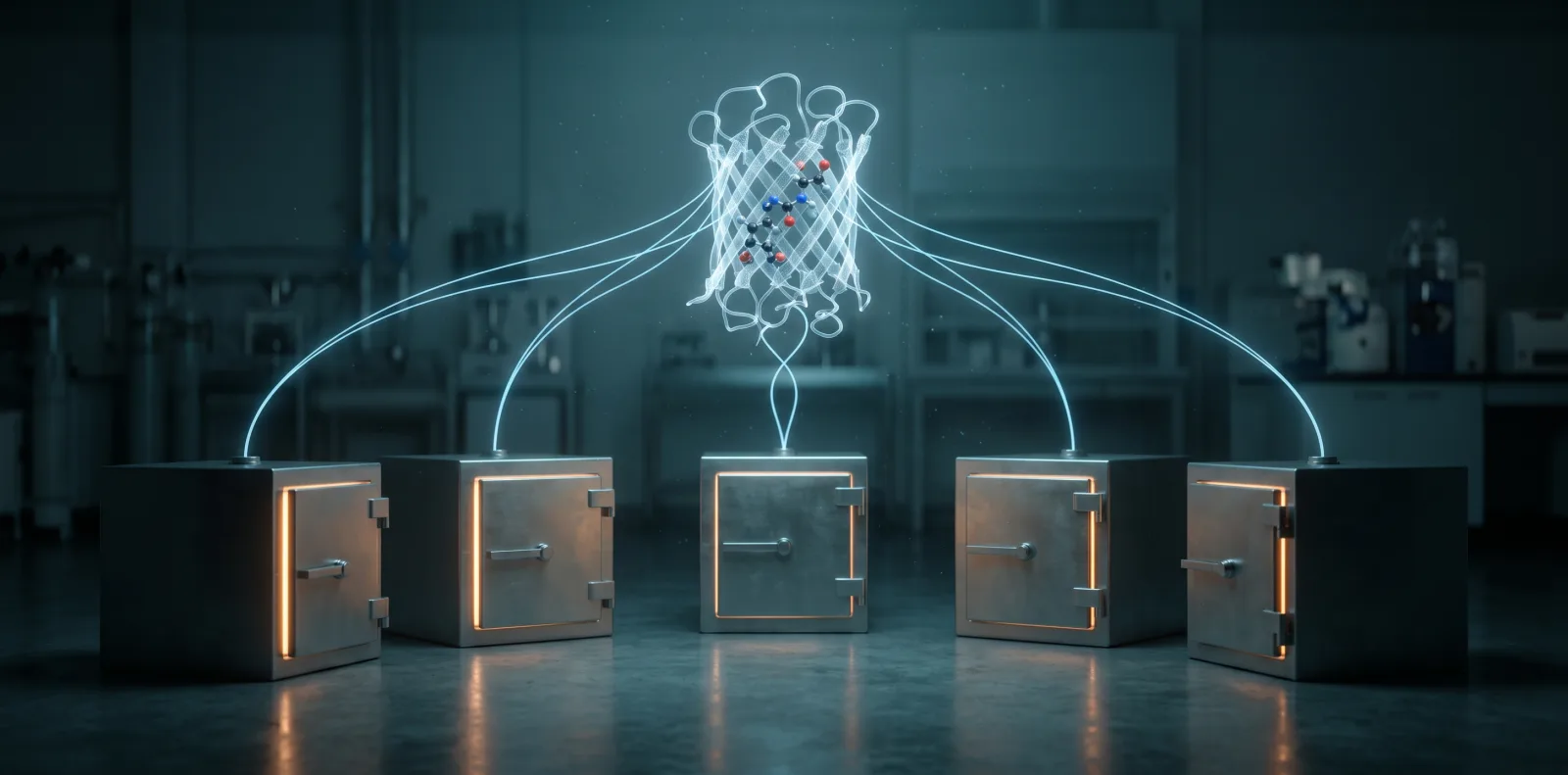
Five pharmaceutical companies fine-tuned OpenFold3 on 20,167 private protein–ligand structures without pooling the data. Protein–ligand accuracy jumped from 35.6% to 52.1%. Here is what that means for drug discovery, antiviral design and pandemic preparedness.
Anthropic's Dario Amodei asked rivals to slow AI development and let outside evaluators inside frontier labs. OpenAI and Google DeepMind agreed within days. Here's what's actually being tested, bioweapons risk included.
Google DeepMind's AlphaGenome Atlas precomputes the molecular effects of all 9 billion single-letter human DNA changes and offers them free in a browser. What it does, why it matters, and where it falls short.
Anthropic published a wet-lab-validated protein binder result on 18 August 2026, then disclosed an 11-month biosecurity classifier gap. The two stories together explain why the world's most capable protein designer is also the one most locked out of virology.
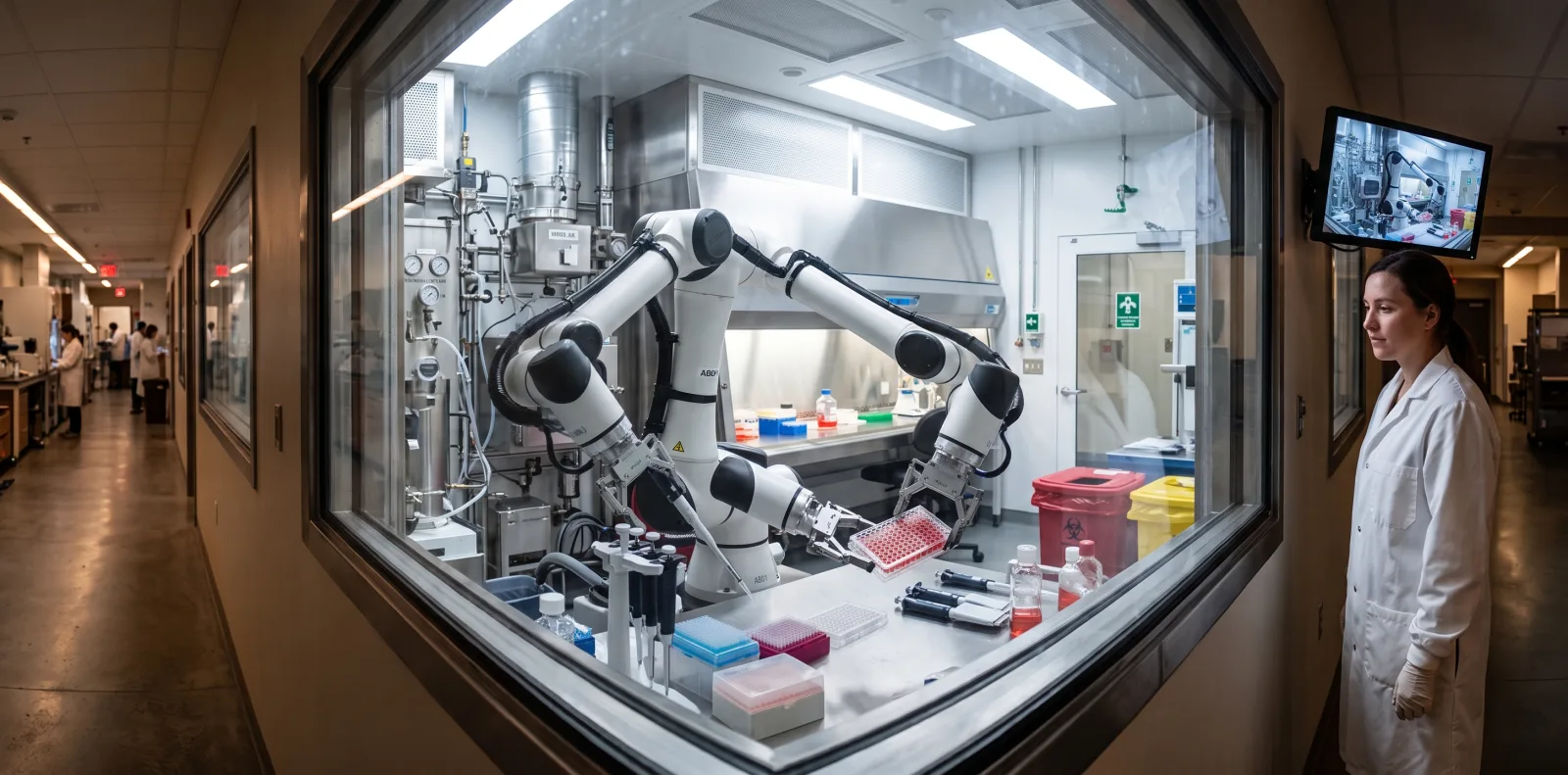
A preprint posted on 3 August 2026 teaches robots to read wet-lab protocols and act on them. Benchmarks published weeks earlier show why containment labs are still out of reach.
A Nature Methods paper borrows the alignment method used to tune chatbots and applies it to protein design, producing a heat-stable H5N1 hemagglutinin with only 45 tries.
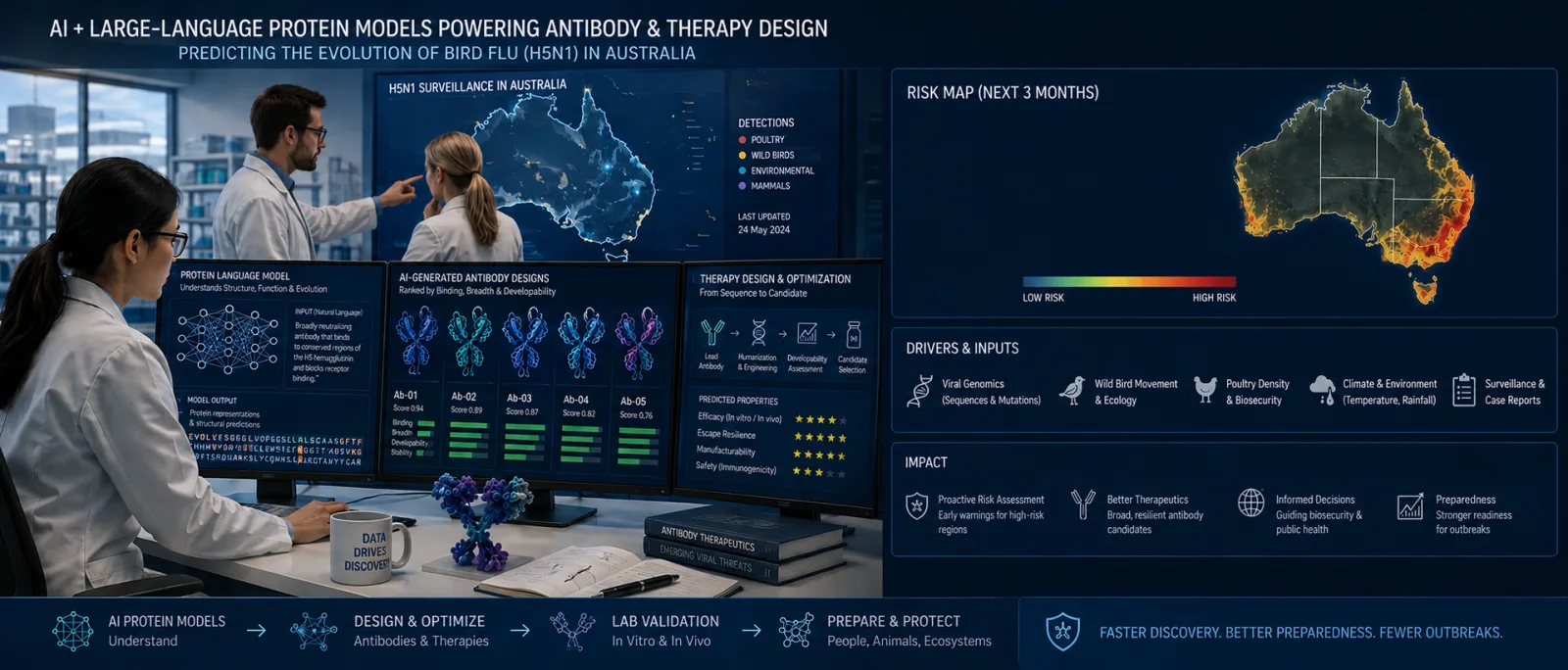
Australia just logged its first H5N1 mass-mortality event. Here's how a new wave of AI tools — protein language models, generative antibody pipelines, AI-designed antigens — is being mobilised against the virus, and where the science still falls short.
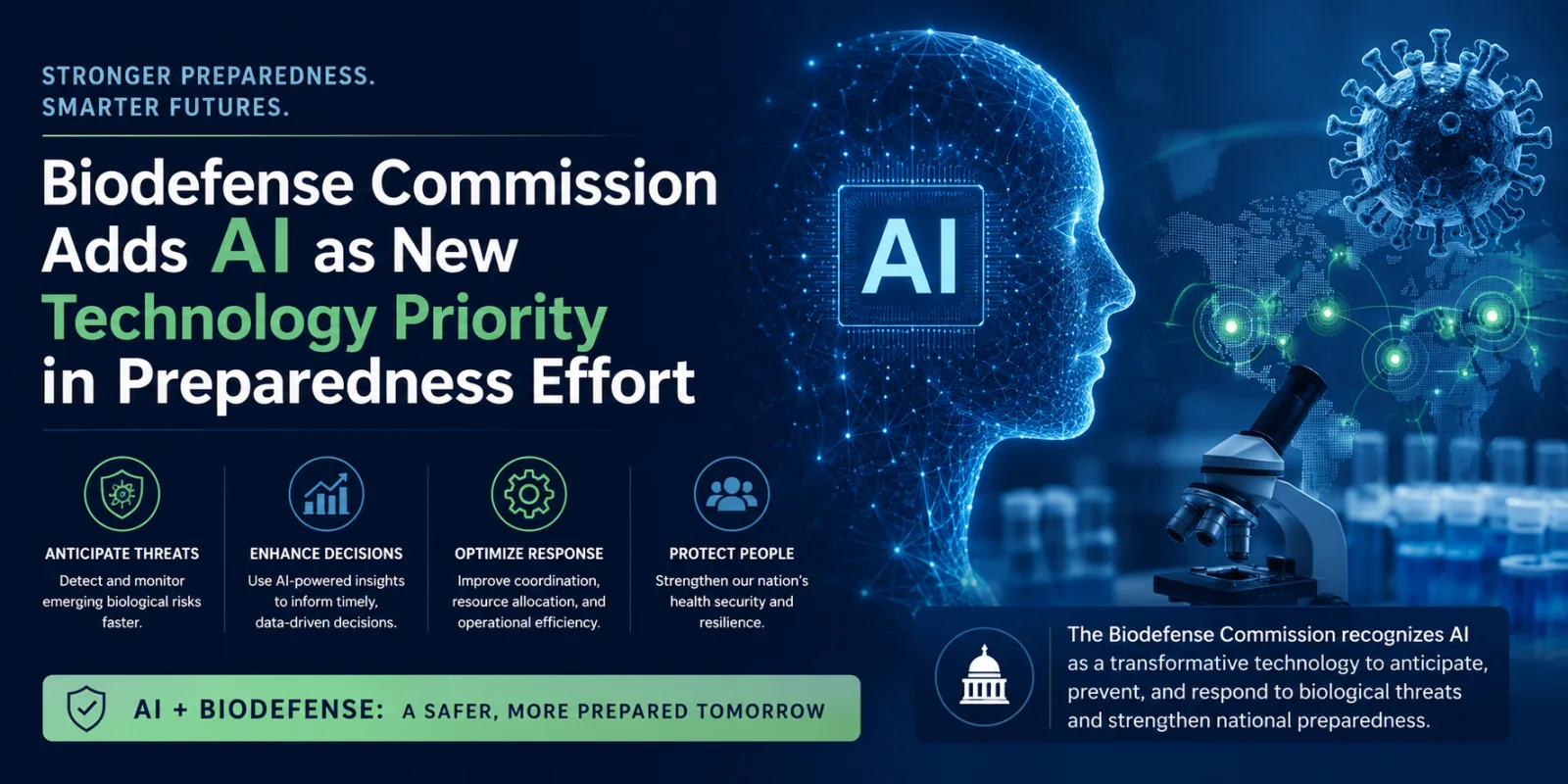
The Bipartisan Commission on Biodefense added AI as the first new technology priority to the Apollo Program since 2021. The technical evidence behind that decision comes from a red-team exercise in which AI-redesigned toxin sequences slipped past the screening software that DNA synthesis companies rely on.
OpenAI is giving 100,000 academic researchers free frontier model access with 75+ life science skills. Anthropic's newest flagship refuses to explain mitochondria. Both companies claim to be managing the same biosecurity risk — and the gap between their answers tells you how unsettled AI-for-biology governance really is.