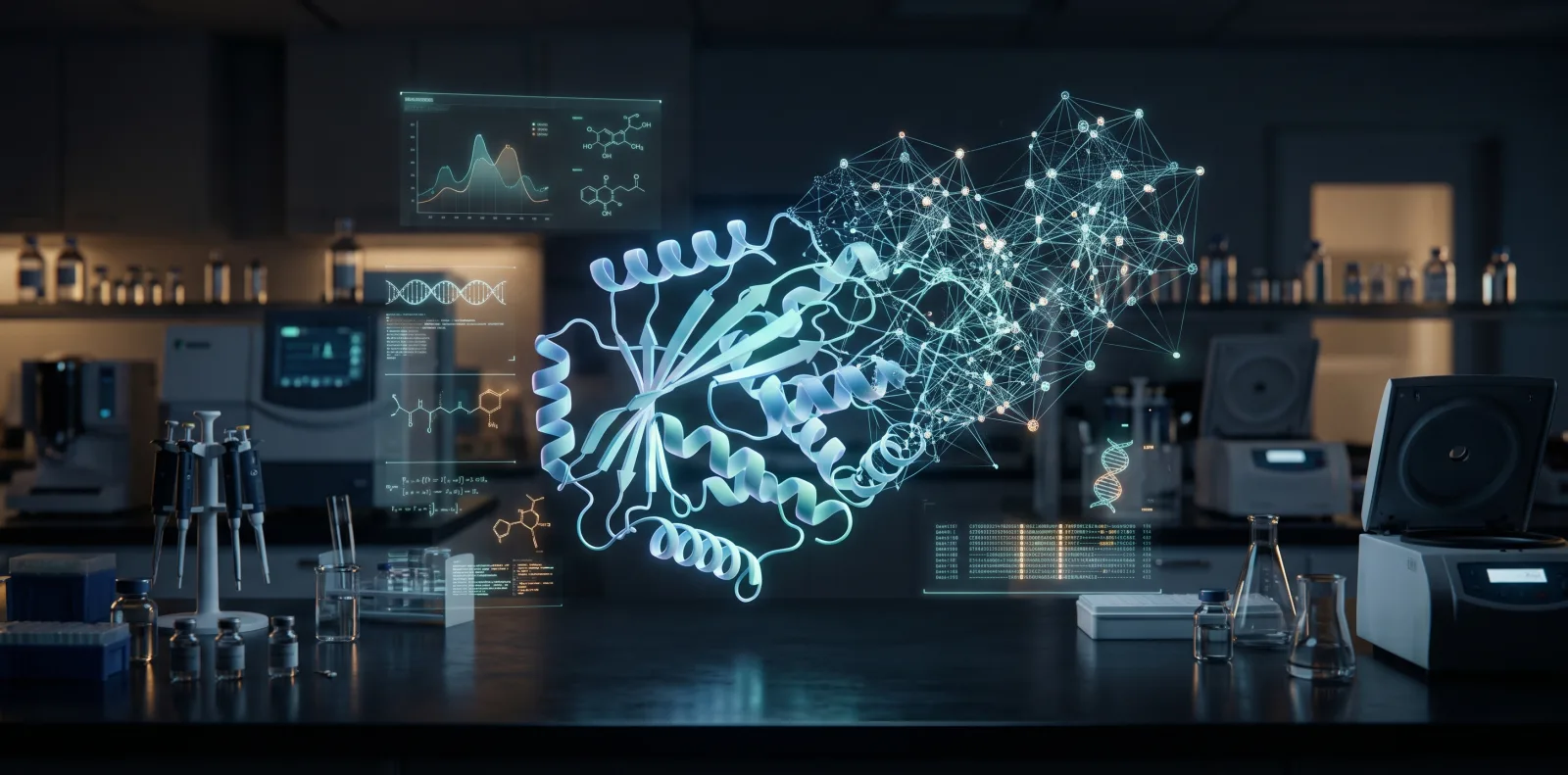
Can AI Read DNA Without Being Taught the Genetic Code?
Codon-free models learn protein biology straight from raw DNA, with no translation table supplied. Here is what the evidence actually shows, and where these models still fall short.

Editor's picks
See all


Can an AI Chatbot Replace Your Therapist? What the 2026 Trials Really Show
AI therapy is being tested in real clinical trials. We read the 2025 and 2026 evidence on chatbot therapy for depression and anxiety, the safety gaps, and what regulators say.
100 Days to a Vaccine: Can AI Really Deliver the Pandemic Moonshot?

Convergent Evolution Keeps Repeating Itself. Can AI Explain Why?

The EU AI Act's Next Deadline Is Weeks Away. Should AI Drug Designers Worry?

Rapamycin, Metformin or AI? The 2026 Evidence on Longevity Drugs
AI
See all



Virology
See all


Recent posts
See all
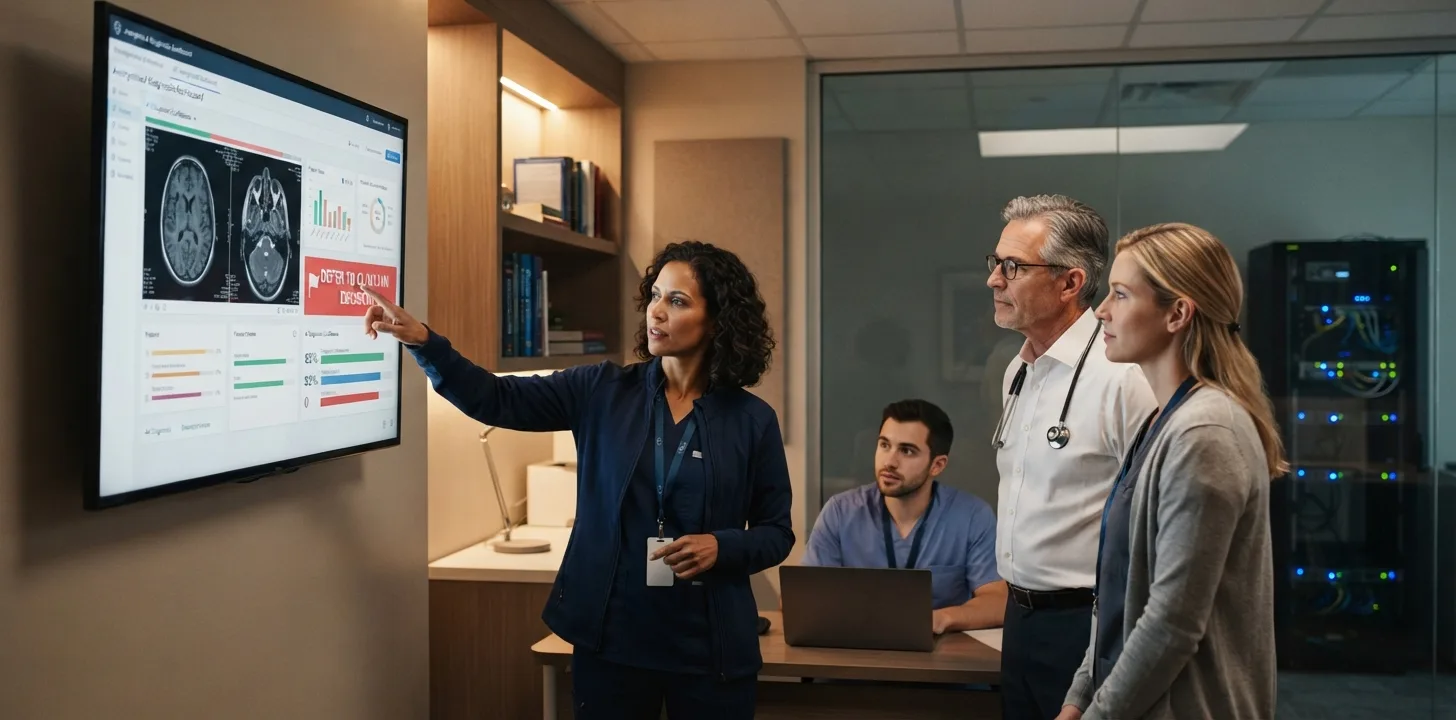
Hospitals Are Quietly Handing Triage to AI. What Does the Evidence Show?
AI triage is spreading through emergency departments faster than the trials. We weigh the evidence on machine learning, sepsis alerts, stroke software and large language models in hospital triage.
Disease X Hunters: Can AI Spot the Next Pandemic Virus in Bat Genomes?
Can AI find Disease X in bat genomes? A plain-English look at the machine learning models ranking viral spillover risk, what they get right, and where they fail.

Biological Age Tests Are Booming. Can AI Really Tell How Fast You Age?
Biological age tests promise to show how fast you are ageing. We examine what epigenetic clocks, blood proteomics and AI models can and cannot tell you, and how reliable the numbers are.
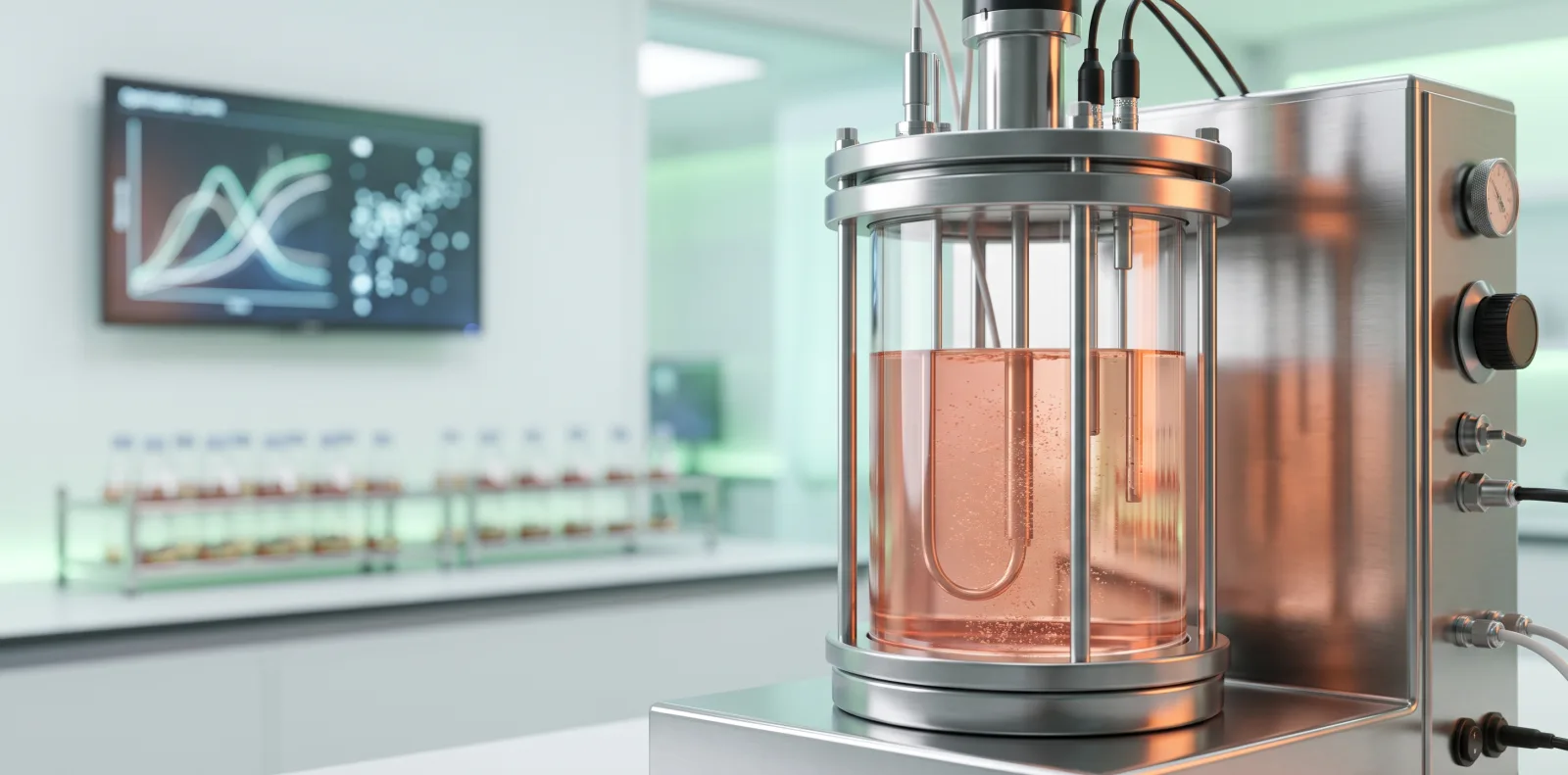
Lab-Grown Meat Meets AI: Can Algorithms Make Cultivated Protein Affordable?
Growth medium is the costliest part of lab-grown meat. We examine how AI and machine learning are redesigning it, what the evidence shows, and where the claims run ahead.

Your Genome Might Be Training an AI. Can Pipelines Keep Up?
Genome data is feeding AI models faster than privacy rules can follow. See how bioinformatics pipelines, federated learning and secure data access are adapting.
Scientific AI Is Running Out of Chips, Not Ideas
Why chips, memory and power now limit scientific AI more than ideas do, what the evidence says about who can train big models, and what researchers can do about it.
AI in Healthcare
See allCan an AI Chatbot Replace Your Therapist? What the 2026 Trials Really Show
AI therapy is being tested in real clinical trials. We read the 2025 and 2026 evidence on chatbot therapy for depression and anxiety, the safety gaps, and what regulators say.